
Life Insurance and Managed Thyroid Disorders: Understanding Your Options
- Philippe Deray

- Nov 19
- 3 min read
Managing a thyroid disorder effectively is an important consideration when seeking life insurance. Thyroid disorders, which include conditions such as hypothyroidism (underactive thyroid), hyperthyroidism (overactive thyroid), Hashimoto’s thyroiditis, and Graves’ disease, affect millions of individuals worldwide. With proper medical care and monitoring, many people with thyroid disorders lead healthy, full lives. For those considering life insurance, understanding how these conditions may impact eligibility and premiums is crucial.
Understanding Thyroid Disorders
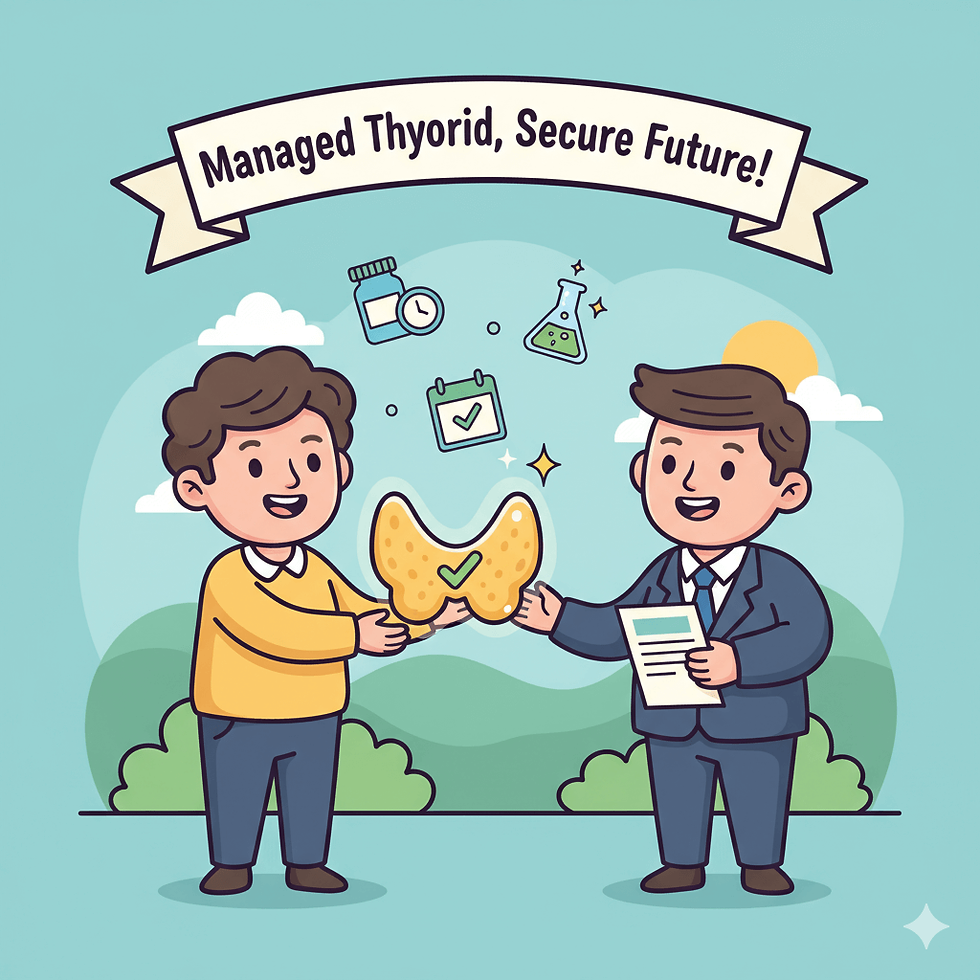
Thyroid disorders occur when the thyroid gland, a small butterfly-shaped gland located in the neck, produces either too much or too little thyroid hormone. These hormones regulate metabolism, energy levels, body temperature, and heart function. The two most common types of thyroid disorders are:
Hypothyroidism: Characterized by insufficient thyroid hormone production. Symptoms may include fatigue, weight gain, cold intolerance, dry skin, and slowed heart rate.
Hyperthyroidism: Characterized by excessive thyroid hormone production. Symptoms may include rapid heartbeat, weight loss, heat intolerance, anxiety, and tremors.
Autoimmune thyroid conditions, such as Hashimoto’s thyroiditis and Graves’ disease, are also prevalent. Treatment for thyroid disorders typically includes medication to normalize hormone levels, regular blood tests to monitor thyroid function, and lifestyle adjustments to support overall health.
Life Insurance Considerations
Life insurance companies evaluate applicants based on overall health, medical history, and risk factors. Thyroid disorders, when well-managed, are generally considered a moderate risk. Applicants with thyroid disorders that are under control and regularly monitored may still have favorable opportunities for obtaining life insurance coverage.
Key factors insurers consider include:
Type of Thyroid Disorder: Hypothyroidism that is well-controlled may be viewed differently than untreated or poorly managed hyperthyroidism.
Medication Compliance: Regular use of prescribed medication, such as levothyroxine for hypothyroidism or antithyroid medications for hyperthyroidism, can demonstrate responsible management of the condition.
Recent Lab Results: Blood tests showing stable thyroid hormone levels and normal TSH (thyroid-stimulating hormone) levels indicate good control.
Coexisting Conditions: Thyroid disorders sometimes coincide with other health issues, such as heart disease or diabetes, which can influence underwriting decisions.
History of Complications: Insurers may ask about past hospitalizations, thyroid surgery, or episodes of severe symptoms to assess risk.
How Life Insurance Underwriting May Approach Managed Thyroid Disorders
For applicants with managed thyroid disorders, life insurance underwriters often consider the following:
Medical Documentation: Providing recent lab results and a letter from a healthcare provider can clarify that the condition is stable and well-managed.
Stable Medication Regimen: Demonstrating consistent use of prescribed medications over time shows that thyroid levels are under control.
No Recent Hospitalizations: Lack of hospital visits or emergency treatment for thyroid complications indicates lower risk.
Regular Monitoring: Evidence of ongoing monitoring, including routine blood tests and checkups, reassures insurers of proactive health management.
Depending on these factors, applicants with managed thyroid disorders may be eligible for standard, preferred, or substandard rates. While each insurance company has its own criteria, many recognize the importance of controlled conditions and reward applicants who actively manage their health.
Practical Steps for Applicants
Applicants with thyroid disorders can take specific steps to enhance their chances of favorable life insurance consideration:
Keep Detailed Medical Records: Maintain a complete history of diagnosis, treatments, lab results, and consultations.
Ensure Medication Compliance: Take medications as prescribed and document adherence.
Schedule Regular Checkups: Routine visits with your healthcare provider help ensure ongoing stability.
Disclose Fully and Honestly: Provide accurate information about your condition, symptoms, and management strategies when applying for life insurance.
Conclusion
Thyroid disorders, when managed effectively, do not automatically preclude life insurance eligibility. Individuals who maintain stable hormone levels, adhere to prescribed treatment plans, and regularly monitor their health can possibly secure life insurance coverage. While underwriting considerations vary by insurer, demonstrating responsible management of the condition is key to achieving favorable outcomes. Being proactive, informed, and transparent in your approach to life insurance applications allows individuals with thyroid disorders to explore coverage options with confidence.
Life Insurance Disclaimer
Disclaimer: This article is for informational purposes only and is not legal, financial, or insurance advice. Life insurance needs and products vary by individual, state, and insurer. Policies may involve fees, costs, and limitations. Some policies include a cash value component that can grow over time, and certain strategies may allow for accumulation beyond basic protection. Results are not guaranteed and may vary by policy, insurer, and state. Consult a licensed insurance professional before making any life insurance decisions.
#LifeInsurance #ThyroidHealth #ManagedThyroid #Hypothyroidism #Hyperthyroidism #HealthCoverage #InsuranceTips #WellnessMatters #ChronicCondition #LifeInsuranceAdvice


Comments